
Operational leadership through growth and change

When operations can no longer keep up with growth, growth becomes a risk.

I take operational responsibility when growth or change puts new demands on the organisation, its processes and the way it is run.

I work mainly in international, transaction-heavy B2B service businesses – particularly in mobility, fuel cards, payments and technology-enabled services.

CEO | COO | Managing Director Permanent or interim.
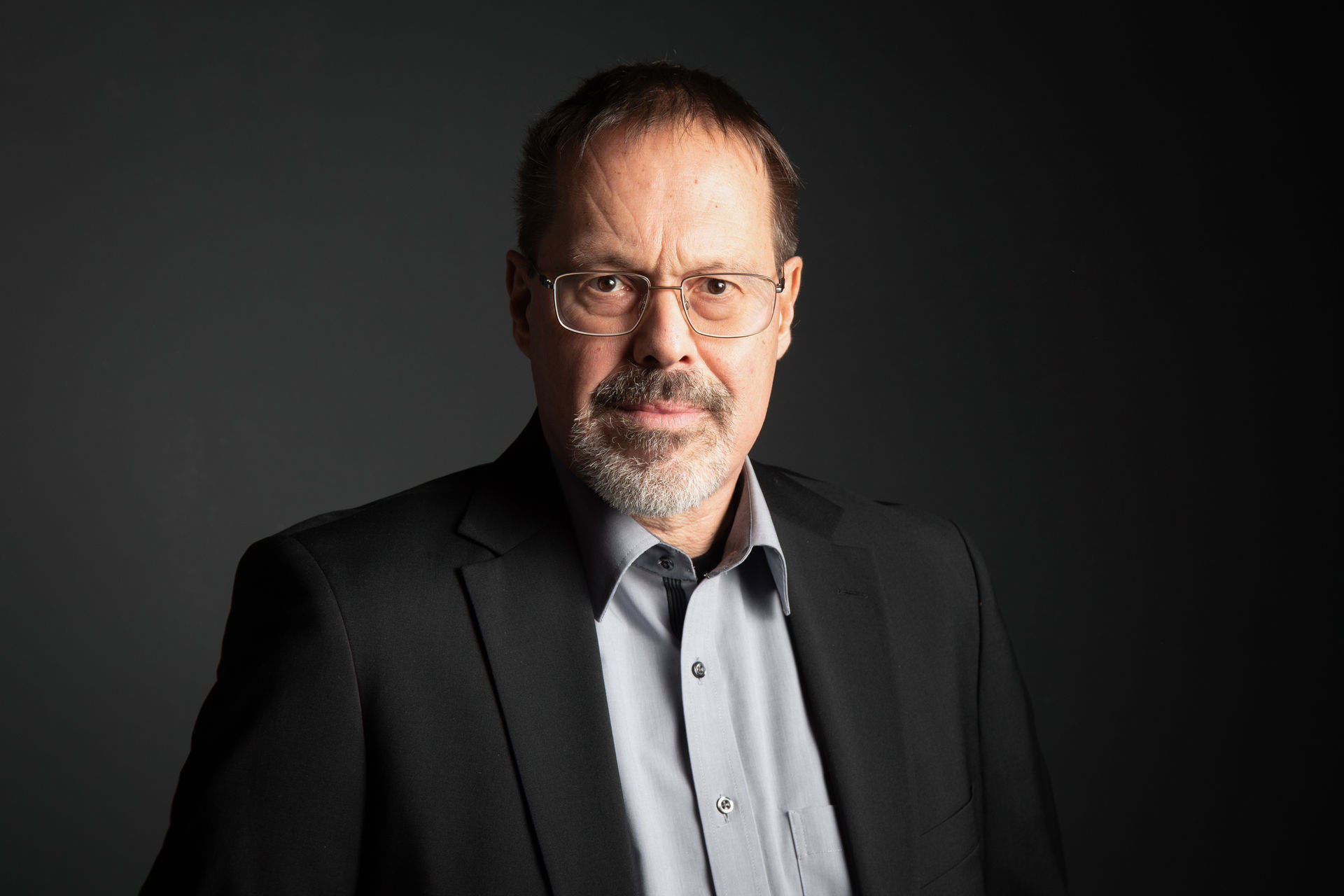
Bernd Veith
What I take on

When the business changes, the organisation and operations have to keep up.

It is rarely just one problem.

Existing structures no longer fit the business

What worked at an earlier stage becomes too slow, too expensive or unnecessarily complicated as requirements change. The organisation, systems and responsibilities need to change with the business.

Separate structures need to be brought together

After mergers, acquisitions or organisational changes, teams, systems and processes often continue to operate separately for longer than intended. They then have to be brought together while the business keeps running.

Growth should not automatically create more work

If every additional customer or transaction also means more staff, more coordination and more manual rework, growth becomes expensive. Processes and systems then need to change so the business can grow without the workload rising at the same rate.

New business has to be ready to deliver

A contract has been signed or a new service is about to launch. The question then is whether customer service, systems, billing and responsibilities are ready for the expected volume.

Four project examples

Different starting points – different jobs to do

01

B2B mobility business / energy group

Separating a business from the group

The group’s central functions were too slow and too expensive for the independent transaction-based business.

View details

Starting point: An energy group separated its B2B mobility business into an independent company. The group’s central functions – IT, contract management and accounting – were too slow for the transaction-based business, while internal charges had become too high.

Task: As interim Managing Director, I was responsible for setting up the business to operate independently. This included creating its own organisation, moving the billing processes out of the group IT environment and building a dedicated team.

Result: The business was separated from the group without interrupting ongoing customer transactions. It then operated with its own systems and responsibilities and at significantly lower operating cost.
02

B2B fleet business

Turning two operations into one

After a merger, teams, partner networks and billing processes were still running separately.

View details

Starting point: After two service businesses merged, the expected synergies did not materialise at first. Each company continued with its own teams, partly overlapping partner networks and different billing processes. The duplicate structures increased costs and made the combined business harder to run.

Task: I took responsibility for bringing the operations together. Supplier contracts were standardised, back-office and customer-service teams were combined, and billing processes were aligned. The day-to-day business had to continue without interruption throughout.

Result: The parallel structures became one operation. Contracts and teams were consolidated, internal costs fell, and customers moved to the shared system environment without service interruptions.

03

Parking infrastructure

Growing without adding staff at the same rate

As transaction volumes increased, the amount of manual work grew almost at the same rate.

View details

Starting point: An operator of parking sites without barriers was expanding quickly. Licence plates that could not be processed automatically had to be checked manually. As transaction volumes increased, so did the staffing requirement in the back office, putting increasing pressure on profitability.

Task: I led the move towards more automated data processing. An external service operation was set up for the manual checks that remained.

Result: The internal back office no longer had to grow in line with transaction volumes. The cost per manually processed case fell and the operating margin stabilised.

04

Platform operator / vehicle manufacturer

Setting up operations for a new major customer

A major customer had been won, but the operation was not yet ready for the expected volume and service requirements.

View details

Starting point: A platform operator won a European vehicle manufacturer as a white-label customer for charging services. The contract was signed, but customer service, billing and issue resolution were not yet ready for the expected transaction volumes and agreed service requirements.

Task: I was responsible for preparing the operation for launch. Support responsibilities were clarified, collaboration between the teams of both companies was organised, and operating processes were prepared for the expected volume.

Result: Operations for the new major customer started on schedule. The additional transaction volume was handled without overloading the internal teams, and the agreed services were delivered reliably.

How I work

Responsibility from the start through handover

At the outset, I clarify what needs to change, which decisions are part of the mandate, and how we will know when the job is done. After that, the work is not about producing a concept alongside the day-to-day business, but about making the changes while the business keeps running.

01

Clarify the mandate

Responsibility and scope

At the outset, I define the goals, who is responsible for what, and how decisions will be made.

02

Understand the situation

Priorities and risks

I speak with teams, customers and relevant stakeholders and look at the numbers and processes to work out what needs to be decided or changed first.

03

Take responsibility

Decide, lead, implement

I make the agreed changes while the business keeps running, take the necessary decisions, lead the teams involved and take responsibility for the outcome.

04

Prepare the handover

What happens afterwards

I hand over processes, responsibilities and open issues in a way that allows the business to continue without depending on me.

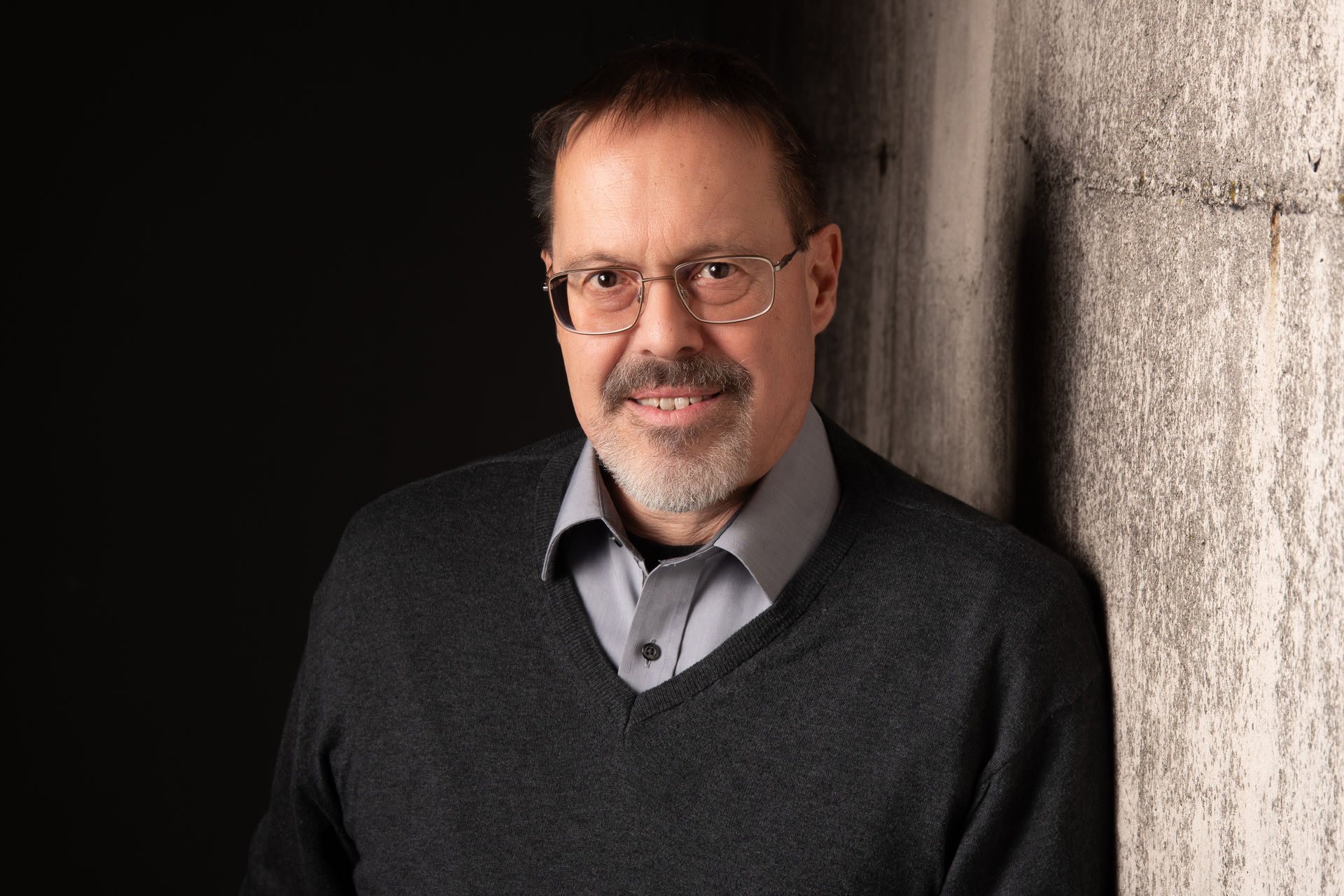
Bernd Veith
About me

More than ten years running businesses as a Managing Director

As a Managing Director, I have, among other things, built a company from the ground up and led it through several stages of growth, changed the direction of an existing business to improve its financial performance, and expanded an international business by setting up new country subsidiaries.

That means making decisions under pressure, living with the consequences when a decision turns out to be wrong, and being accountable for results rather than just making recommendations. Depending on the situation, my role today can range from an initial assessment to taking full operational responsibility – with the same standard of personal accountability I had as a Managing Director.

Let’s talk

What needs attention?